 LOGIN
LOGIN
Customer not available, wrong/incomplete address, unreachable phone, refused COD, or fake attempts by delivery agents are the top reasons.

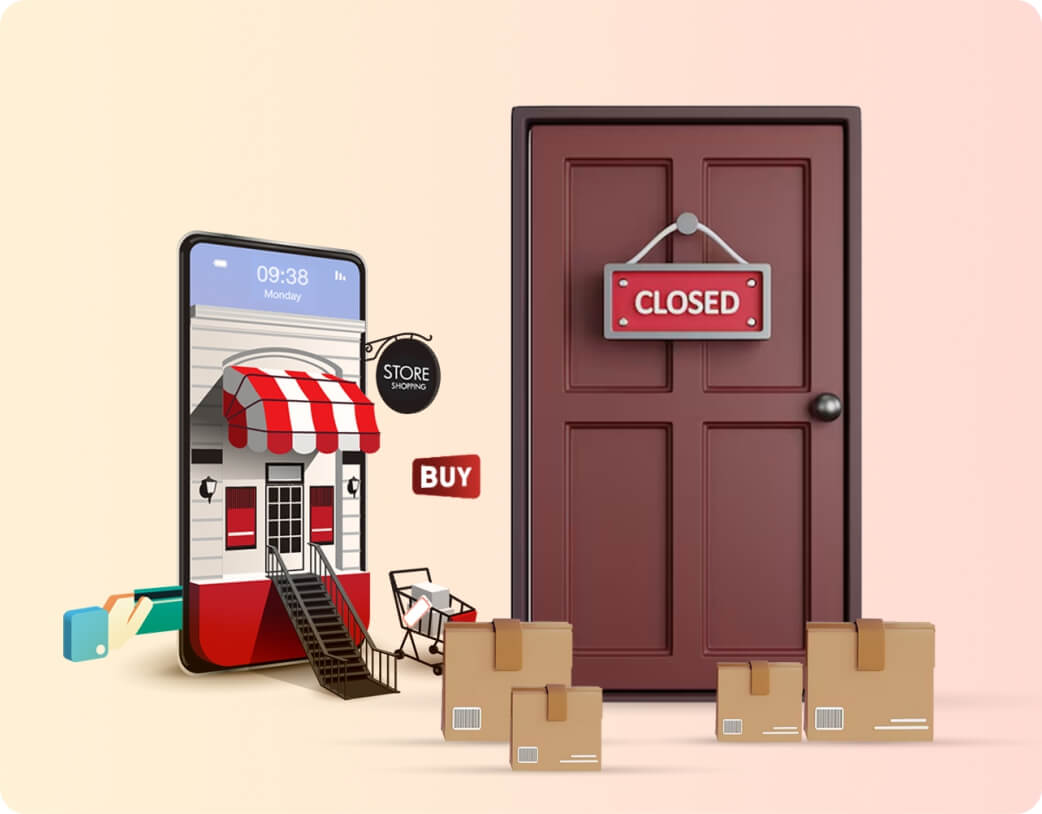
Shipping feels like a daily battle for most online sellers in India these days. You push out an order, cross your fingers, and then watch margins disappear when the first attempt fails, or an NDR sits there for days. One missed delivery means you pay outbound shipping, often pay return shipping too if it goes RTO, deal with angry customers, and probably lose that buyer forever.
In 2026, things are only getting tougher. More orders are going to tier-2 and tier-3 cities, where addresses are messy, landmarks are the only clue, COD is still the preferred way for many people, and buyers are quick to refuse or ghost if anything feels off.
From talking to sellers and fixing these exact problems, we have seen the same patterns over and over. Most failed deliveries and NDRs don't happen because of bad luck. They come from sloppy data at checkout, packaging that can't survive the journey, zero follow-up with the customer, or couriers who treat exceptions like paperwork instead of opportunities to save the order.
The fixes are practical and don't require huge budgets. You just have to be consistent.
When a courier raises an NDR, it usually means they couldn't hand over the parcel on attempt one. Top reasons: customer not at home, phone switched off or wrong number, address incomplete or wrong, package refused, or sometimes the delivery person marks it failed without real effort.
Numbers in India are rough. Around 15-20% of shipments hit some kind of exception. Of those, roughly a third turn into full RTO if nothing gets done fast. Each RTO can cost you 1.5 to 2 times the forward shipping charge, plus the risk of damaged goods you can't resell.
COD orders, which still make up 60-70% for a lot of stores, are especially vulnerable because the handover has to happen face-to-face.
In smaller towns, addresses like "near the big banyan tree, second lane after the market" make life hard. Impulse COD buyers cancel at the door or never show up. All of that eats straight into profit and leaves you chasing refunds or dealing with returns.
The majority of NDRs start with bad information entered at checkout.
Make address validation mandatory. Use pin-code-based auto-fill, so people pick the right area and street format. Add a quick phone OTP right after they enter the number. It confirms the contact is real and active.
For COD orders, send a simple confirmation message immediately: "Hi, we got your order for [product] to [address]. Is everything correct? Reply YES or tell us changes." Tons of fake orders or second-thought buyers drop off here, and you save the shipping cost.
Push prepaid whenever you can. A small discount, like 5-10 rupees off or free shipping on prepaid, changes behavior. Prepaid orders have much higher success rates because the buyer already committed money. These checks alone stop a big chunk of bad orders from ever becoming NDR headaches.
Nothing kills a delivery faster than a box that looks like it went through a war zone.
Use boxes that match the item size with minimal space. Fill gaps with bubble wrap, paper, or foam sheets. Fragile things need extra corner protectors or double boxing.
Seal everything securely with good tape. Add clear labels: "Fragile Handle with Care" or "This Side Up" when it matters. Include a packing slip inside with your return address and easy instructions.
When the package looks solid and professional, customers are far less likely to refuse it on sight or claim damage.
Once the order is out the door, many sellers go silent. That's a mistake. People forget they ordered, change plans, or want a different time slot.
Send confirmation right away with the expected delivery window. Share the tracking link immediately. If your courier offers branded tracking, it feels more trustworthy than a plain courier page.
The day before delivery, send a reminder: "Your order is out for delivery tomorrow between 12-5 PM. Reply to confirm or change time/address."
Suppose an NDR gets raised, act within the same hour. Send an auto message: "Sorry, we missed you today. When is best for re-attempt? Update address if needed." In India, WhatsApp plus SMS works better than email. Some sellers add IVR calls for tough cases. The more touchpoints, the better the chance to save the delivery.
Not every courier handles exceptions the same way. Some log a failure and push toward RTO quickly. Others treat every NDR as a chance to recover the order. You want proactive follow-up: automatic alerts, easy reschedule options, address correction tools, and quick support.
Velocity Express does this better than most. They maintain a successful delivery rate across their network. Brands working with them see an average RTO reduction of 12%. Their NDR and RTO suite uses smart logic, real-time insights, and AI-powered calls to resolve issues fast.
When a shipment gets flagged, they can trigger verification messages or calls automatically. Most problems get cleared in under 2 hours. They reach over 20,000 pin codes, provide same-day pickup in many locations, and connect smoothly with Shopify, WooCommerce, and other platforms.
Sellers tell us the difference is real: fewer ignored attempts, more follow-ups that turn failed deliveries into successes. Orders that go through their WhatsApp verification or AI outreach deliver at rates up to 1.85 times higher than average.
Don't just hope things improve. Track NDR reasons every month: customer unavailable, wrong address, refused, damaged, etc. Look for patterns. Certain pin codes failing more? Add extra checks there. One product category is often refused? Change the packaging for it.
Aim for first-attempt success above 80%. Track RTO percentage and compare month to month. Call out couriers who have too many "attempted" marks without proof. Good data lets you negotiate better rates or switch partners when needed.
The seller we talked to was stuck with an RTO of 18 to 20%, and they implemented several changes to try to combat this. They implemented OTP verification, pushing for pre-paid shipments, providing discounts for prepaid shipments, improved packaging, initiating proactive WhatsApp reminders for customers, and switching over to Velocity Express for their superior handling of NDRs.
Within only a few months, the seller's RTO dropped below 10%, first-attempt success rates rose to 92%, and customer support requests related to delivery issues significantly decreased!
Customers were happier, and repeat orders went up. In 2026, competition is fierce. Buyers expect reliability. If NDRs and failed deliveries are quietly killing your margin, then these changes can turn things around fast.
If you're tired of losing money on returns and bad deliveries, take a hard look at your process. Small, consistent fixes add up to big savings. Want to see how Velocity Express can help reduce your NDR issues? Check their site or reach out directly. They specialize in exactly these challenges for Indian sellers.