 LOGIN
LOGIN
It means storing inventory in small dark stores or micro-warehouses very close (usually 2–4 km) to customers so riders can deliver in 10–30 minutes instead of hours.

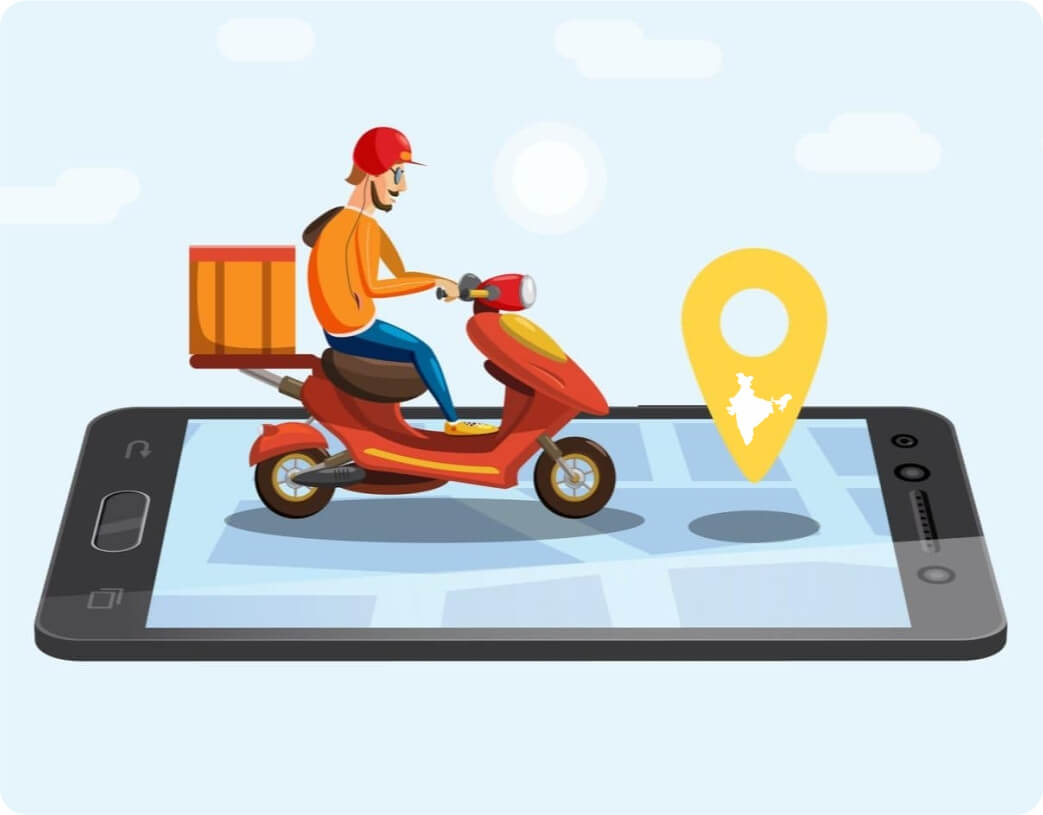
Quick commerce has changed online shopping in India more than anything else in the last few years. A few years back, customers were fine waiting two or three days for groceries, medicines or small essentials. In 2026, if the app does not promise ten to thirty minutes, people just close it and open the next one.
Blinkit, Zepto, Swiggy Instamart and the others have set the expectation so high that "instant" is now normal for a huge part of the market. Sellers who cannot meet that speed lose customers fast.
For brands and sellers trying to stay competitive, hyperlocal shipping is no longer optional. Traditional e-commerce logistics built for forty-eight hour delivery cannot handle thirty-minute promises without constant delays, angry reviews and returns that kill margins.
Quick commerce needs fast, flexible last-mile partners who understand short routes, sudden order spikes and the realities of Indian cities and towns. We have spoken to enough sellers who learned this the hard way. The ones who figured it out are the ones still growing.
Hyperlocal is simple: keep everything close to the customer. In quick commerce, that means dark stores or small fulfilment centres placed two to four kilometres from the delivery area. Rider grabs the item and reaches the door in minutes. No big central warehouse sending parcels across the city. That takes too long.
This model became huge because customers want instant gratification for groceries, snacks, medicines, personal care products, phone accessories, pet food and more. City traffic makes long runs impossible for a thirty-minute delivery. Dense neighbourhoods allow dark stores to stock fast-movers and restock them quickly.
In 2026, quick commerce is far beyond just food. You see beauty products, small electronics, fashion accessories and pet supplies on these apps. Dark stores carry more variety now, need better forecasting to avoid empty shelves or waste, and require very tight handoffs to riders.
Quick commerce succeeds or fails on the last mile. You can have perfect stock in the dark store, but if the rider gets lost, stuck in traffic, or the customer is not home, the order fails. Returns go up, ratings drop, and people switch apps.
The real daily problems sellers face in 2026 include thirty-minute windows leaving almost no margin for error, and evening/weekend spikes overwhelming riders quickly. Narrow lanes, gated societies, and confusing building layouts slow everything down.
Cash on delivery remains popular in many areas, so riders must collect money fast and safely. Monsoon rains, festivals, or power cuts can disrupt entire zones. Rider turnover stays high because the job is intense. Logistics built for traditional two-day e-commerce cannot keep up. They use longer routes, batch orders and slower handoffs.
To make quick commerce profitable, you need a courier that can:
Velocity Express has built its domestic services with exactly this flexibility. Their model supports same-day and often quicker deliveries in many areas with riders equipped for short-radius work.
Sellers who use them for quick commerce report higher first-attempt success and lower return-to-origin rates because the last mile stays efficient. They also handle cash-on-delivery collections cleanly and manage returns quickly when needed.
Brands and sellers have had to change a lot to survive quick commerce. Many open or partner with dark stores to keep fast-movers close to customers. They focus inventory on high-turnover products so stock stays fresh.
They use better forecasting to predict demand and avoid overstock or shortages. They offer instant versus scheduled slots to balance rider load. They push prepaid or wallet payments to cut cash-on-delivery risks. None of these changes works well without a solid last-mile partner.
Quick commerce is no longer a side experiment. It has become a core part of how millions shop in India. Customers will not go back to waiting days for basics. Sellers who want to compete need hyperlocal shipping that matches the speed people now expect.
Velocity Express offers exactly that kind of agile last-mile support for quick commerce. Their focus on fast, reliable delivery in short-radius areas helps sellers meet thirty-minute promises without constant stress or high costs.
If you are planning to partner up with a delivery service, ensure they have a vast network to ensure connectivity, which will help to deliver quickly, leaving no room for delays. Check Velocity Express for more on how they support quick commerce across India.