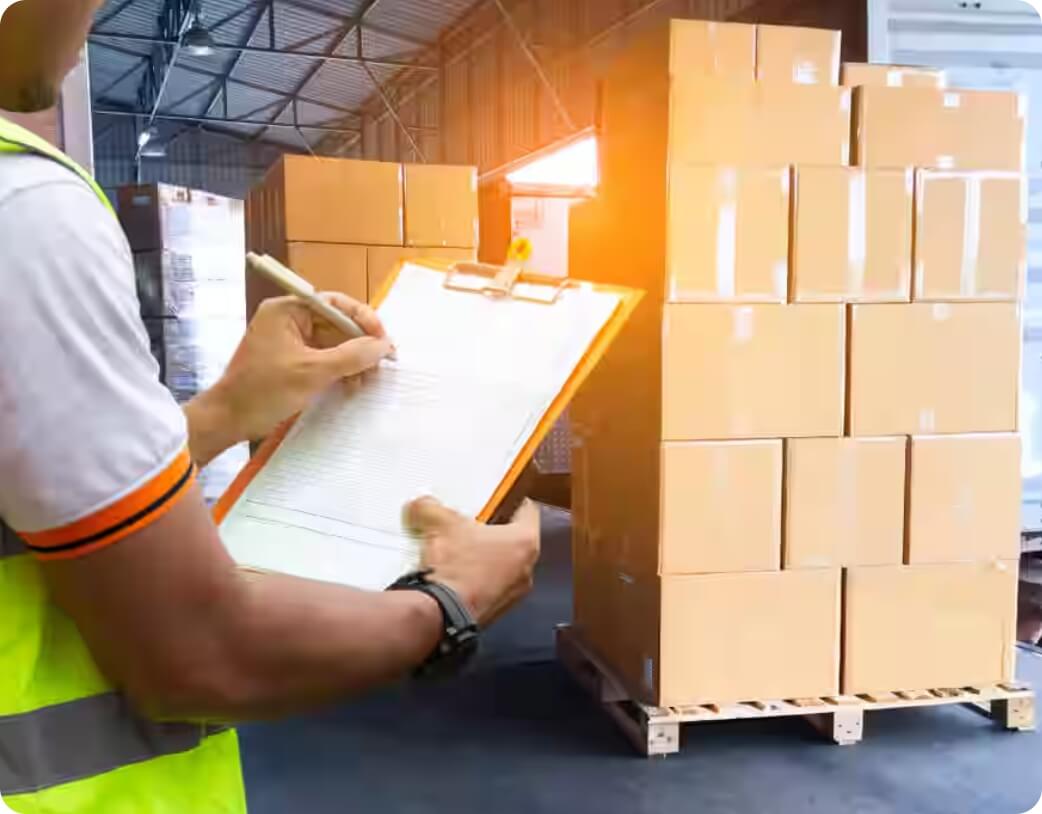
Let me take you to a scene that plays out over and over again in India's small-business hubs.
Imagine this: It's the middle of 2024, and you're with a team at an electronics company that makes custom IoT sensors for smart factories. They just got a huge order from Pune manufacturers, but their patchwork of local couriers is falling apart.
Packages are bouncing between bikes and tempos, getting there late and looking like they have been in a wrestling match. Half of the batch comes in damaged, customers are angry, and the founders are looking at very small profits.
That's when they called in bulk courier services. With one pivot, they palletized the whole thing, gave it to a national consolidator, and watched it zip across state lines with full tracking. There were no complaints, the deliveries were early, and the customer doubled their next order. When small and medium-sized businesses wake up to the power of bulk, stories like this aren't unusual; they're the norm.
Take a step back and look at the whole thing. The small and medium-sized businesses (SMEs) in India are not only big; they are the economy's beating heart, with more than 63 million businesses making up almost 30% of GDP. Noida's gadget assemblers are wiring up the future. For example, Surat's textile looms make colourful fabrics for Delhi boutiques, and Kochi's spice grinders pack fragrant spices for Mumbai hotels.
The first IT hardware companies in Belgaum are making prototypes of the next generation of devices for tech parks in Bangalore. Your world is always making new things. But here's the problem: logistics. What broken-up parcel-by-parcel method do a lot of people use? It's a slow bleed, with rising costs, timelines that aren't always clear, angry clients who disappear in the middle of a deal, and scalability that seems more like a dream than a reality.
Bulk courier services in India are the answer. They are made just for businesses like yours that need to move 50 kg of goods that grow to truckload size. They combine your shipments into smart cargo loads, which cuts down on the number of vehicles on the road, makes the most of volume, and adds technology like real-time apps that stop the "where's my package?" frenzy.
Whether you're a Belgaum startup working with TMITS ecosystems or a D2C brand dealing with holiday floods, bulk gives you the freedom to keep up with your rhythm, steady weekly outflow, or explosive seasonal surges. It's not just talk; it's the change from putting out fires to mastering them.
India's logistics scene is both full of chances and full of problems. Think about how the Delhi-Mumbai corridor looks like a shiny highway, but in the countryside, the rivers turn into rivers when it rains. GST e-way bills that require perfect paperwork for bigger loads, Tier-2 last-mile nightmares where addresses turn into alleys, and peak seasons that turn highways into parking lots.
Big companies bulk up ruthlessly to avoid this mess, but what about small and medium-sized businesses? Too many people are left behind, paying too much for small shipments of express cargo while their competitors grow and take over. The change is clear: companies that focus on bulk see cycles get shorter, customers stay loyal, and they have room to reinvest in growth.
What Makes Bulk Courier Services Different from Regular Package Delivery
Let's get this straight right away: bulk courier services are not just bigger packages; they are a completely different type of service. Think about sending a postcard instead of hiring a freighter. Bulk thrives on volume smarts: palletized stacks that protect goods like fortresses.
Less-than-truckload (LTL) setups let your shipment share space with other cargo that can fit in the same truck, and air-freighted bundles can handle hauls of more than 500 kilometres without breaking a sweat. You start with small parcel bulk trials to see how things go, and then you smoothly move up to full cargo operations, all thanks to magic like GPS dashboards that update every hour.
Seamless cash-on-delivery handoffs, and even predictive routing that dodges traffic snarls before they hit.
This is when services like Velocity come into play, offering low rates for bulk service, ensuring you deliver.
That's why you look for providers with 98–99% on-time delivery rates, which are hard numbers, not marketing fluff. What about the plans made for SMEs? They handle real logistics in India, from figuring out how to deal with the quirks of southern trucking unions to outsmarting northern winter fogs, all without having to meet minimum volume requirements that would kill a startup.
For example, IT companies that send prototypes to Hyderabad fabs or Pune R&D labs find bulk to be a lifesaver. No more splitting loads between unreliable locals. A single road-air hybrid run gets it there in perfect condition.
Breaking Down the Best Bulk Courier Services for Small Businesses
In India's busy world of courier services, the ones that fit your small business like a glove are the ones that win. Based on the hands-on transitions we set up, here's the unvarnished scout report on the heavy hitters, lined up next to each other for clarity.
DTDC is a great place to start because it covers over 12,000 pincodes and has SME-friendly portals that make bulk uploads easy. Mumbai's small and medium-sized textile businesses love their Bulk Express setups. With a little bit of negotiation, they can turn festival chaos into clockwork flow. This is great if your Belgaum base feeds southern textile runs.
Then there's Delhivery, a tech company that uses AI like a maestro to route packages almost perfectly and make platforms so easy to use that customers joke that logistics has grown a brain. If you like sending a lot of packages or packages to multiple cities at once, this is the service for you. Their SME plans handle cash on delivery and returns like pros.
Ecom Express fills the e-tail niche by providing rock-solid reliability for bulk packages sent directly to consumers without the extras that drive up costs. Think of D2C brands expanding their online stores across the country.
Velocity brings the express cargo thunder for those high-stakes, time-is-money payloads, blending speed with airtight handling, perfect for Belgaum IT prototypes that can't wait.
Hyperlocal stars like Xpressbees light up metro-area small business couriers with same-day metro magic, while Shadowfax owns the last-mile bulk in cities, moving through density like urban ninjas.
In the North, Delhivery's data smarts win out; in the South, DTDC's deep roots win out.
Pune pharma small and medium-sized businesses combine Ecom's bulk parcels with Blue Dart's urgency. Coimbatore cotton operations prefer Xpressbees for speed.
How Bulk Changes the Economics of Your Small Business
In India, the prices for bulk courier services are like a choose-your-own-adventure story: weight, distance, and mode set the stage, with road bulk wooing long-haul non-urgents and air cargo speeding valuables. As you move up the volume tiers, the savings get bigger.
At lower levels, you save 10%, and the savings get bigger as you move up. However, surcharges and taxes can make the savings smaller, but smart negotiation can help.
Compare a shipment of Surat silks to Delhi: bulk consolidation makes the hit smaller than parcel chaos.
Look deeper: Watch volumetric tricks where bulky-light beats dense-heavy, factor GST gears, and check your progress every three months to see how much you've won. The Jaipur jewellers I taught went from having double-digit overhead costs to single-digit ones, which helped them pay for trade fair expansions.
Killing SME Dragons: Rules, Dependability, and Making Your Chain Unbreakable
No illusions, India logistics tests your spine: e-way bills keep big shipments safe, Aadhaar KYC protects your identity, and export customs gauntlets feel like marathons. Bulk pros take care of this by sending out support teams and auto-paperwork wizards 24 hours a day, seven days a week, to keep you moving.
Hyperlocal fleet alliances crush evergreen enemies like last-mile flops, which hit 40% in Tier-2 spots. Peak chaos? Bulk gets priority lanes. Do you have to answer sustainability calls? People who think ahead are putting together fleets of electric vehicles for a greener future.
Looking ahead: How tech tsunamis and policy winds will shape Bulk's future
By 2026–27, India's logistics beast will grow to the size of half a trillion, allowing for drone parcel bulk trials and blockchain cargo truths. Small and medium-sized businesses (SMEs) are leading the way with quarterly volume audits that open up truckload tiers, API symphonies that connect Shopify to seamless syncs, modal mixes, heavy road bulk as the base, air express cargo accents, rail refrains, and KPI castles that protect efficiency empires, punctuality peaks, and claim deserts that are less than 1%.
Government gems like National Logistics Policy subsidies speed up small business plays, from tech credits to exporter easements.
Your Ironclad Bulk Rollout: The 8-Step Plan for Easy Scaling
- Volume Deep-Dive : No guesses, just map out monthly kg flows and pincode patterns.
- Shortlist Surgeons : Add three fits (DTDC, Delhivery, and Blue Dart) to your routes.
- Trial by Fire : Send 100 to 500 kg tests to different providers and quote them.
- SLA Steel : 98% on-time clauses with penalties that hurt.
- Tech Infusion : Automate bulk operations via API integrations into your e-commerce platforms.
- Team Tune-Up : Try your hand at packing and keeping track of.
- KPI Command Centre : Monitor claim tickets, costs, and on-time performance weekly.
- Quarterly Evolution : Look back, grow, renegotiate, repeat, and win.
In India, bulk courier is more than trucks and tags; it is about small and medium enterprises that create speed, loyalty, and large profits. Break free of your parcel prison and claim your bulk throne.
From the top down, Velocity helps you and supports your business through every stage, giving you great rates so you can take it to the next level.
 LOGIN
LOGIN